 a SaunaShare company
Cold water is a real stressor. If you have a heart condition or high blood pressure, are pregnant, or take medication that changes how you handle cold, talk to your doctor before you start. Never plunge alone or after drinking.
Quick answer
If you want a cold plunge to wake you up, one minute is enough. Former Navy SEAL and physician Dr. Kirk Parsley says the alertness comes from your nervous system, so a short plunge (moving the water around helps) does the job, and 3 to 5 minutes is the range before a workout. Have your coffee after the cold wears off rather than right before it: he suggests the dip that follows the plunge is the best time for caffeine, which stretches your alert hours without caffeine late in the day.
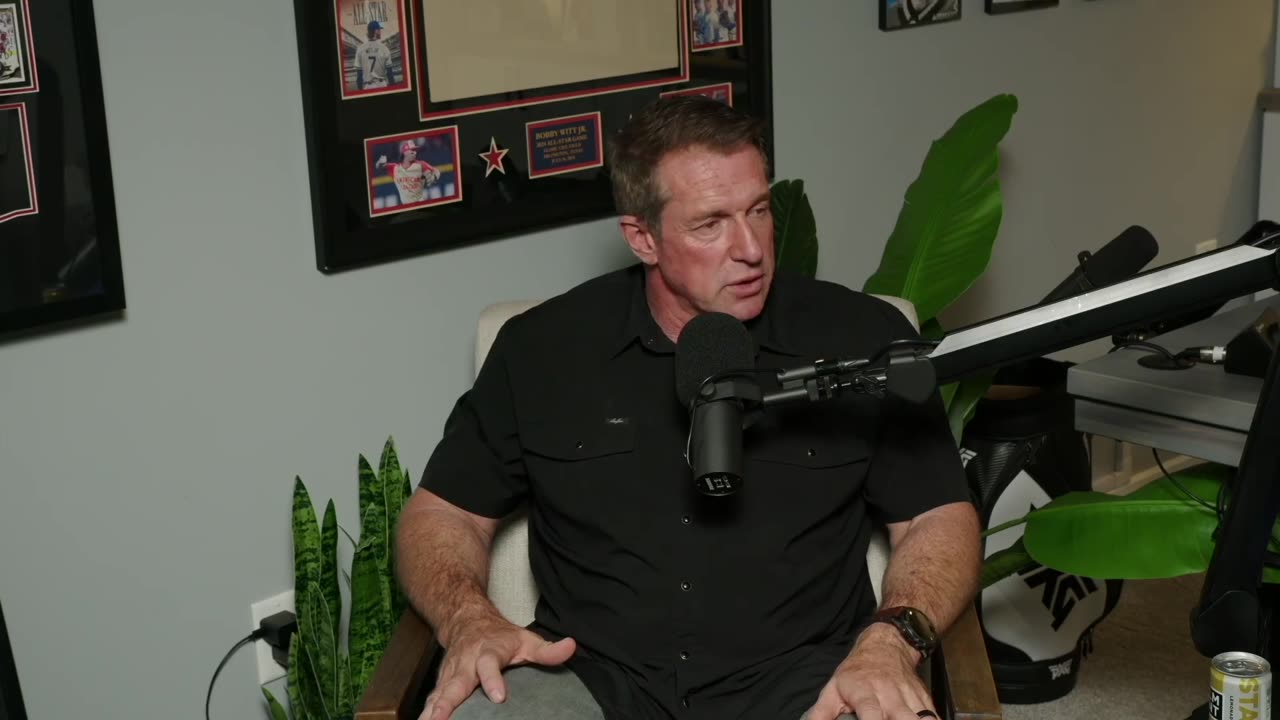
Brian Cain’s mornings start early, and on his Mental Performance Mastery Podcast he asked Dr. Kirk Parsley the question a lot of us have: should I hit the cold plunge before reaching for caffeine? Dr. Parsley, a former Navy SEAL and a physician, had a clear answer, and it changes how you might stack your morning.
A minute is enough to wake up
“If you’re just doing it to wake up, you only need a minute in those things.”
Dr. Kirk Parsley, on Brian Cain’s podcast
Why so short? Because the wake-up isn’t about cooling your muscles. “What you’re primarily getting is neurological,” he says: a surge of the catecholamines, epinephrine and norepinephrine, the same family as adrenaline. He also says moving the water around helps, so you get the effect in under a minute.
The research backs the short version. Cold water releases a flood of noradrenaline, the alertness chemical: in a 12-week study, 20-second dips in near-freezing water doubled or tripled it every time. Adults who sat 5 minutes in 68°F water reported feeling more active, alert and attentive afterward, and a 2026 randomized trial found 5 minutes lifted mood as much as 20. Longer doesn’t mean more awake.
Then the coffee
Brian described his own mornings, up very early and slow to get going, and asked if a minute in the plunge should come first. Dr. Parsley agreed, and added a timing idea. The plunge gives you a quick peak of alertness, you stay a little cool for a while, and then you come down. That dip, he suggests, is the best time for your caffeine. Stacking them that way stretches the alert part of your day by a couple of hours without taking caffeine so late that it hurts your sleep.
That is his reasoning, not a tested protocol; we found no study that times coffee against a cold plunge. It is cheap to try. If you usually drink coffee the minute you wake, plunge first and wait until you feel the lift fade.
Morning plunge on a training day
If you lift later in the day, a morning plunge is the easy way to follow Dr. Parsley’s main rule: keep the cold away from the hours right after strength work. He says it directly: if a plunge leaves you needing an hour to warm up, “do it first thing in the morning and then do your normal morning routine.” Cold plunge before or after a workout.
Morning or night?
Morning is a natural fit for the wake-up effect, but you don’t have to avoid evening plunges to protect your sleep. In a sleep-lab study of cyclists, cold water after evening exercise left the whole night’s sleep unchanged, and in another, a 10-minute dip at about 56°F after an evening run meant fewer wake-ups during the night than no dip at all. Both studied small groups of male athletes. If an evening plunge leaves you wired, move it earlier. More on timing: the best time of day to cold plunge.
A simple morning routine
- Check the water. Read a real thermometer, not the setpoint. 45 to 55°F is plenty for a wake-up. Thermometers that read cold water accurately.
- Get in slowly and breathe out long. The gasp and fast breathing in the first 30 to 60 seconds is the cold shock response; it settles if you slow your exhale.
- One minute, or 3 to 5 if you are training soon. Move the water around.
- Rewarm actively. Dry off, dress warm, walk around. Skip the hot shower for a few minutes if you want the alertness to last.
- Coffee when the lift fades.
Safety
Mornings are when blood pressure naturally runs higher, and the first minute of cold water spikes heart rate and breathing. If you have a heart condition or high blood pressure, are pregnant, or take medication that affects how you handle cold, talk to your doctor first. Never plunge alone in deep or open water. The real dangers of cold plunging.
FAQ
How long should a morning cold plunge be?
About a minute if you only want to wake up, according to Dr. Kirk Parsley, and 3 to 5 minutes if you are plunging before a workout.
Should I drink coffee before or after a cold plunge?
Dr. Parsley suggests after, once the alertness from the plunge starts to fade. That stretches your alert hours without caffeine late in the day. It is his reasoning rather than a tested protocol.
Is it better to cold plunge in the morning or at night?
Either. Morning is best for the wake-up effect, and two sleep-lab studies found evening cold water after exercise didn’t hurt sleep (one found fewer wake-ups). If evening plunges keep you up, move them earlier.
Does a cold plunge in the morning replace coffee?
For some people the jolt is enough on its own. Dr. Parsley’s suggestion is to use both: the plunge first, and coffee once its lift starts to fade.
Sources
- Leppäluoto J et al. Effects of long-term whole-body cold exposures on plasma concentrations of ACTH, beta-endorphin, cortisol, catecholamines and cytokines in healthy females. Scand J Clin Lab Invest, 2008. Source
- Yankouskaya A et al. Short-Term Head-Out Whole-Body Cold-Water Immersion Facilitates Positive Affect and Increases Interaction between Large-Scale Brain Networks. Biology (Basel), 2023. Source
- Kelly JS et al. Improved mood following cold-water immersion: a comparison of differing exposure durations. Lifestyle Medicine, 2026. Source
- Robey E et al. Effect of evening postexercise cold water immersion on subsequent sleep. Med Sci Sports Exerc, 2013. Source
- Chauvineau M et al. Effect of the Depth of Cold Water Immersion on Sleep Architecture and Recovery Among Well-Trained Male Endurance Runners. Front Sports Act Living, 2021. Source